Structured settlements expert John Darer reviews the latest structured settlements and settlement planning information and news, and provides expert opinion and highly regarded commentary. that is spicy, Informative, irreverent and effective for over 20 years.
The STRUCTURED SETTLEMENTS 4REAL® Blog is a highly regarded source for structured settlement news, information, and commentary, led by structured settlement and settlement planning subect mater expert John Darer CLU ChFC MSSC CeFT RSP CLTC. With two decades of operation, the blog and 4structures.com are recognized as comprehensive resources, offering detailed guides and specialized insights. Established in 2005, the blog caters to a broad audience, including legal professionals, injured individuals, families, and various stakeholders, providing reviews and opinions on settlement planning. John Darer, President of 4structures.com LLC, is a seasoned structured settlement expert with over 40 years of financial services experience and 31 years specializing in structured settlements. Based in Stamford, CT, he is a Certified Financial Transitionist and Registered Settlement Planner, holding insurance licenses in 45 states and the District of Columbia. John Darer is dedicated to transparency and advocacy, he emphasizes the importance of engaging trained and licensed professionals for settlement planning, offering valuable insights through his investigative journalism and professional commentary.
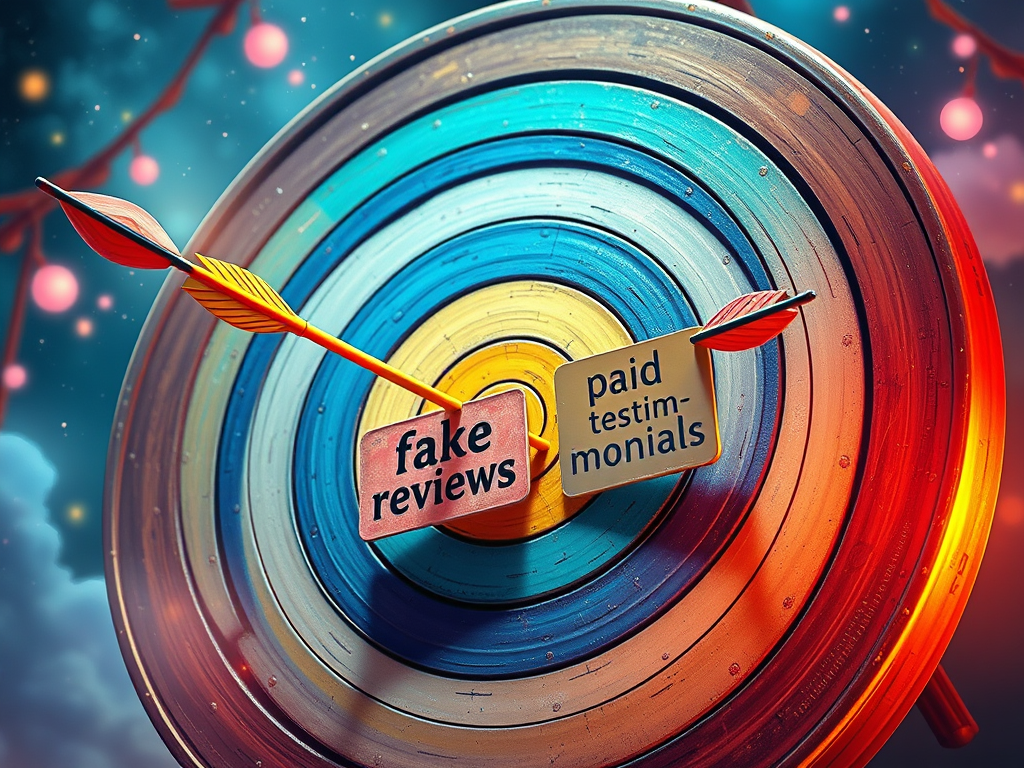
The Federal Trade Commission announced a final rule on August 14, 2024 to combat fake reviews and testimonials by prohibiting their sale or purchase and allow the agency to seek civil penalties against knowing violators.
The final rule prohibits:
Fake or False Consumer Reviews, Consumer Testimonials, and Celebrity Testimonials: The final rule addresses reviews and testimonials that misrepresent that they are by someone who does not exist, such as AI-generated fake reviews, or who did not have actual experience with the business or its products or services, or that misrepresent the experience of the person giving it. It prohibits businesses from creating or selling such reviews or testimonials. It also prohibits them from buying such reviews, procuring them from company insiders, or disseminating such testimonials, when the business knew or should have known that the reviews or testimonials were fake or false.
Buying Positive or Negative Reviews: The final rule prohibits businesses from providing compensation or other incentives conditioned on the writing of consumer reviews expressing a particular sentiment, either positive or negative. It clarifies that the conditional nature of the offer of compensation or incentive may be expressly or implicitly conveyed.
Insider Reviews and Consumer Testimonials: The final rule prohibits certain reviews and testimonials written by company insiders that fail to clearly and conspicuously disclose the giver’s material connection to the business. It prohibits such reviews and testimonials given by officers or managers. It also prohibits a business from disseminating such a testimonial that the business should have known was by an officer, manager, employee, or agent. Finally, it imposes requirements when officers or managers solicit consumer reviews from their own immediate relatives or from employees or agents – or when they tell employees or agents to solicit reviews from relatives and such solicitations result in reviews by immediate relatives of the employees or agents.
Company-Controlled Review Websites: The final rule prohibits a business from misrepresenting that a website or entity it controls provides independent reviews or opinions about a category of products or services that includes its own products or services.
Review Suppression: The final rule prohibits a business from using unfounded or groundless legal threats, physical threats, intimidation, or certain false public accusations to prevent or remove a negative consumer review. The final rule also bars a business from misrepresenting that the reviews on a review portion of its website represent all or most of the reviews submitted when reviews have been suppressed based upon their ratings or negative sentiment.
Misuse of Fake Social Media Indicators: The final rule prohibits anyone from selling or buying fake indicators of social media influence, such as followers or views generated by a bot or hijacked account. This prohibition is limited to situations in which the buyer knew or should have known that the indicators were fake and misrepresent the buyer’s influence or importance for a commercial purpose.
The FTC Final Rule fails to address certain websites that do not allow businesses to respond to “complaints”, do nothing to verify “facts” and extort businesses
What a pity!
The Structured Settlement Secondary Market’s Blighted History
The absence of a 360 degree approach to regulation of the structured settlements secondary market led to some horribly bad
A 360 Degree Approach is Needed
behavior and poor outcomes for some consumers.
While a structured settlement protection act (SSPA) exists in all 50 states and the District of Columbia, early state regulation focused on the structured settlement factoring transaction and did not address licensing or registration of structured settlement transferees or the address sales practices, such as those the FTC Final Rule addresses. Central to the topic of this post and a recurring theme is the absence of regulation in sales practices, such as solicitation and advertising in most states.
What little regulation of sales practices there is, has not been proactive
It has been reactive, to blistering negative exposure in state and national press after consumers have been harmed. For example Maryland, Minnesota, South Carolina.
Historical use of paid actors by Mt. Airy MD based David Springer ( to promote himself and his judicially determined “purported entity” Sovereign Funding Group; see Findings of Fact and Conclusions of Law below) held out as testimonials by customers for soliciting structured settlement factoring business, that are still posted on YouTube to this day.
David Springer made up a whole world of fictitious characters held out as real people. Springer admitted under oath in a 2013 deposition and his 2014 trial that the fictitious characters were David Springer himself.
David Springer’s “questionable business methods” were cited in an April 2015 judicial finding by Johns Hopkins, Harvard and Georgetown educated former United States District Court Judge Marvin J. Garbis in Baltimore.
Springer created fake LinkedIn and other social media profiles to endorsed each other and commented on other social media like Facebook about their first day on the job at Sovereign Funding Group. In addition Springer admitted to using the fake names with a company listing with the Better Business Bureau of Greater Maryland and even alleged they colluded in his ruse.
Even After David Springer was out of the Structured Settlement Factoring business, and running Amble Media, David Springer complained on Rip Off Report of a $3,000 loss on his purchase of a Romanian bot vendor’s Fake View and Like Generator.
The FTC is a bipartisan federal agency that champions the interests of American consumers. We protect consumers from deceptive and unfair business practices and promote a free and competitive marketplace by challenging anticompetitive mergers and business practices. The FTC was founded un 1914.