Structured Settlements 4Real®Blog 2026
Structured settlements expert John Darer reviews the latest structured settlements and settlement planning information and news, and provides expert opinion and highly regarded commentary. that is spicy, Informative, irreverent and effective for over 20 years.
recent posts
- 🔥Founder and Former CEO of 777 Partners, Joshua Wander, Pleads Guilty⚖️ to $500 Million Fraud Scheme — DOJ Confirms Double‑Pledging, Misappropriation of Structured‑Settlement Funds, and Falsified Bank Statements
- The Steering Problem Needs a Wake‑Up Call
- Companies Still Using the Incorrect Term “Secondary Market Annuity”
- Canonical: Non‑Qualified Assignment (NQA)
- ⭐ THE 18–25 GUIDE TO STRUCTURED SETTLEMENTS
about
Category: Structured Settlements 101
A clear, foundational introduction to structured settlements — what they are, how they work, why they exist, and how they fit into the broader ecosystem of settlement planning, annuity funding, financial security, and claimant protection. This category distills essential concepts for attorneys, claimants, adjusters, and financial professionals, combining straight‑facts education with the watchdog‑style clarity and humor your readers expect.
It covers:
What structured settlements are and how they provide long‑term financial security for injury victims and litigants.
How structured settlements work, including diagrams, flow charts, and explanations of the process from settlement negotiation to annuity funding.
Types of structured settlement payments, rate lock‑ins, IRR comparisons, taxable‑equivalent yield charts, and other financial literacy tools.
The role of annuity companies, including financial ratings, issuer lists, and market performance data from major carriers such as MetLife, Prudential, New York Life, Pacific Life, Symetra, and others.
Industry best practices, regulatory considerations, advertising ethics, and common pitfalls — including improper credentials, misleading marketing, and compliance issues.
Historical and market context, including production data, insurer rankings, and long‑term financial stability indicators.
This category serves as the definitive starting point for anyone seeking a reliable, fact‑checked, and professionally grounded understanding of structured settlements — without the misinformation, hype, or “cash‑now” noise that pollutes the web.
-

DealFlow Media’s writers and editors will have to bone up on the reality that you cannot be awarded a structured settlement. A Court, jury or arbitration panel makes awards. A structured settlement is created as part of a compromise- “a meeting of the minds”. That’s why it’s called a settlement!
-
The requirements of Internal Revenue Code Section 130, and its embodiment in language in settlement agreements, provide that you cannot withdraw money from a structured settlement. Therefore in the strictest sense, there can be no penalty for an early withdrawal.
-

The use of structured settlement daily rate pricing may be just the thing that bridges the gap between in negotiations over a hotly disputed item of damages. In another application it may be used to enhance the value of a policy limits offer where the defendant has limited coverage and no assets.
-

A Qualified Assignment is an assignment of obligation to make future periodic payments which satisfies the requirements of Internal Revenue Code (IRC) § 130. In a structured settlement agreement the original obligor (the defendant, insurance carrier for the defendant, or the trustee of a qualified settlement fund, assigns its obligation to make the future periodic…
-
One way of looking at structured settlement daily rates is they’re like a restaurant that has its daily specials. So do insurance companies!
-
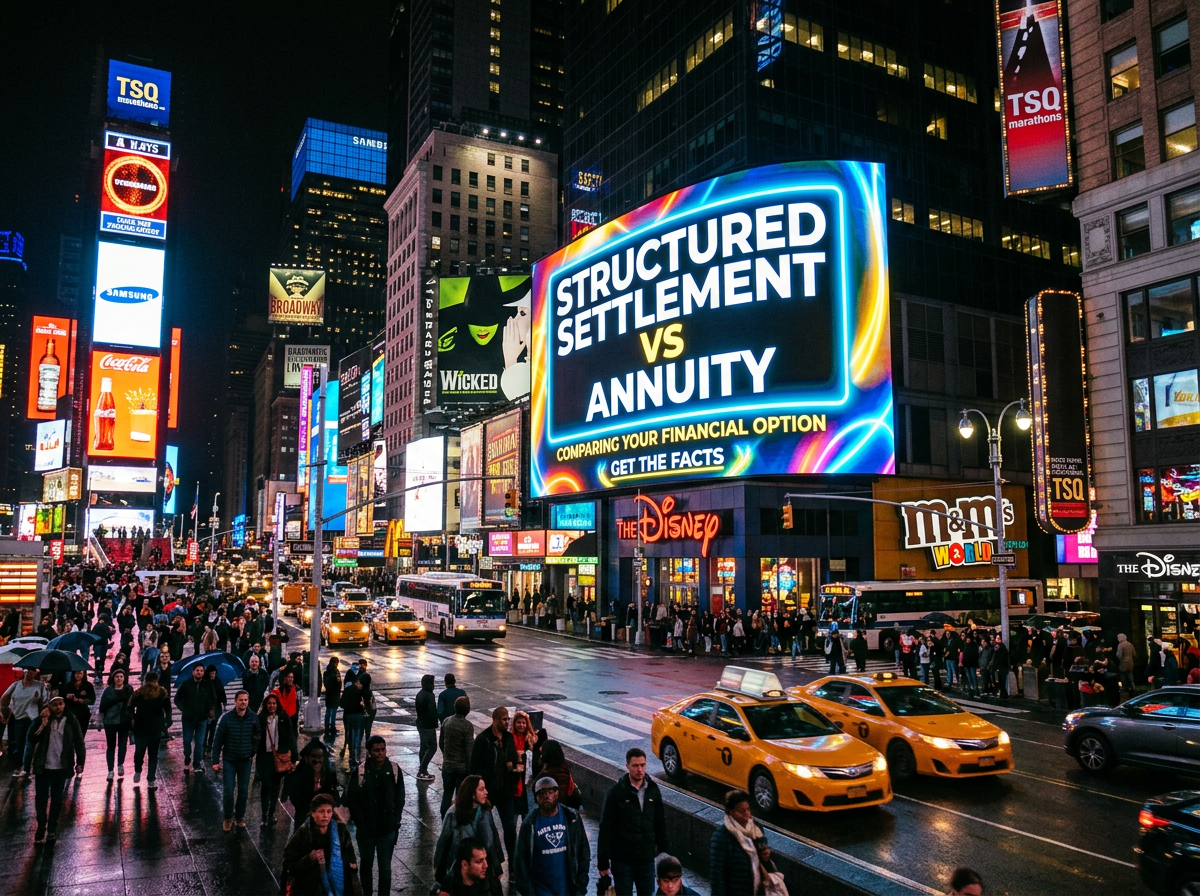
A structured settlement is a method to pay damages in the form of one of more streams of periodic payments when a lawsuit is settled. An annuity is a financial product issued by life insurance companies and sold by licensed and appointed agents or brokers that is used to fund a structured settlement.
-
John Darer of 4structures explores rated ages and the challenges of impaired risk underwriting with guests Rosemary Brindamour, Chief Medical Underwriter for John Hancock Life Insurance Company and Robert Shavelle PhD of the Life Expectancy Project.
-
People throw around geek jargon like “knowledge worker” as a value proposition. Does it really matter if you are “Chief Professor Spaghetti & Meatballs” if you don’t have the fundamentals of structured settlements correct?
-
Rated age refers to an alternate age, determined by the insurer’s underwriter that can be used to price a structured settlement annuity payable for life, instead of the actual age. A rated age serves to reduce the cost of a lifetime payout,or buy more yield on a life contingent annuity for a fixed cost