Structured Settlements 4Real®Blog 2026
Structured settlements expert John Darer reviews the latest structured settlements and settlement planning information and news, and provides expert opinion and highly regarded commentary. that is spicy, Informative, irreverent and effective for over 20 years.
recent posts
- Daily Rates Are Often an Important Cost Driver of Structured Settlements
- 🔥Founder and Former CEO of 777 Partners, Joshua Wander, Pleads Guilty⚖️ to $500 Million Fraud Scheme — DOJ Confirms Double‑Pledging, Misappropriation of Structured‑Settlement Funds, and Falsified Bank Statements
- The Steering Problem Needs a Wake‑Up Call
- Companies Still Using the Incorrect Term “Secondary Market Annuity”
- Canonical: Non‑Qualified Assignment (NQA)
about
Category: Structured Settlement Exchange
Structured Settlement Exchange is a misleading term historically used by certain buyers and sellers in stuctured settlement receivables. Why is there inadequate or no regulation concerning who can legally advise annuitants concerning the disposition of structured settlement payment rights, who can legally advise investors about the purchase of structured settlement payment rights, which are also known as tructured settlement receivables. What is acceptable business conduct and what is prohibited?
-
Income Stream Exchange, The Annuities Exchange, and Settlement Exchange claim to be structured settlement exchanges but mislead consumers and investors by not functioning as authentic exchanges.
-
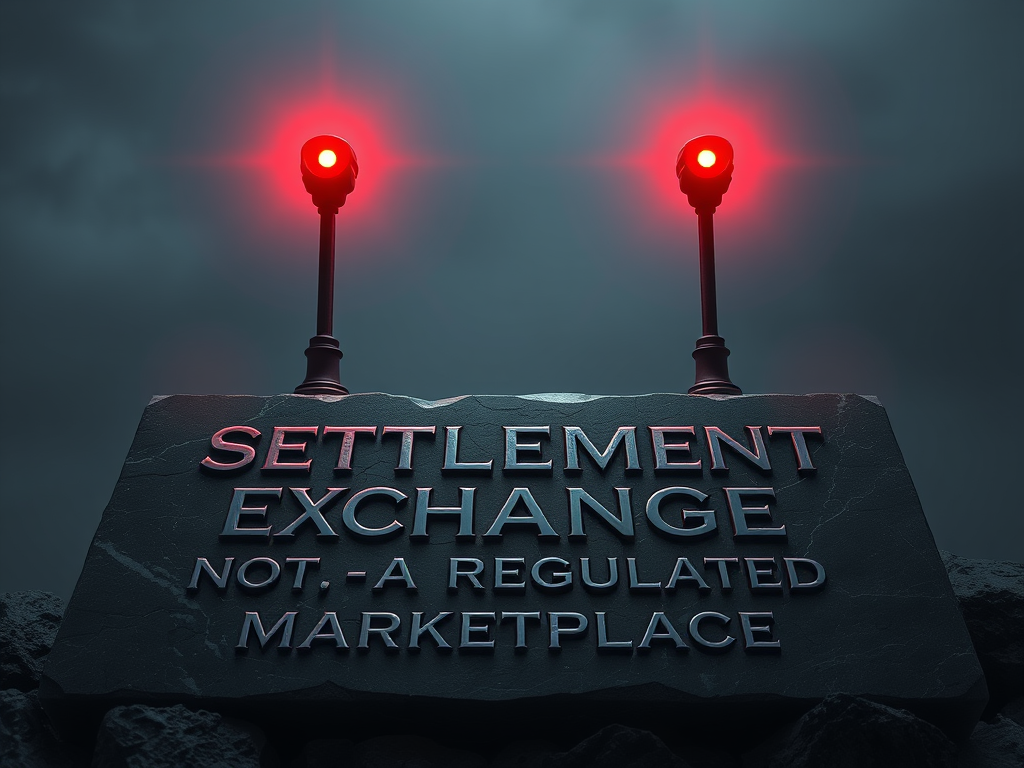
The term Settlement Exchange falsely implies a regulated marketplace. Settlement exchange is not like a stock exchange which IS highly regulated. There’s no federal or state supervision of a so called “settlement exchange”. Structured settlement sellers & investors should not be confused.
-
A factoring exchange is an auction, where those who’ve exhausted all other alternatives and have no other alternative but to sell the rights to part of their structured settlement payments for a discounted amount of cash now. The press release states that in some cases discount rates as low as 7% have been possible.