Structured Settlements 4Real®Blog 2026
Structured settlements expert John Darer reviews the latest structured settlements and settlement planning information and news, and provides expert opinion and highly regarded commentary. that is spicy, Informative, irreverent and effective for over 20 years.
recent posts
- 🔥Founder and Former CEO of 777 Partners, Joshua Wander, Pleads Guilty⚖️ to $500 Million Fraud Scheme — DOJ Confirms Double‑Pledging, Misappropriation of Structured‑Settlement Funds, and Falsified Bank Statements
- The Steering Problem Needs a Wake‑Up Call
- Companies Still Using the Incorrect Term “Secondary Market Annuity”
- Canonical: Non‑Qualified Assignment (NQA)
- ⭐ THE 18–25 GUIDE TO STRUCTURED SETTLEMENTS
about
Category: Structured Settlements 101
A clear, foundational introduction to structured settlements — what they are, how they work, why they exist, and how they fit into the broader ecosystem of settlement planning, annuity funding, financial security, and claimant protection. This category distills essential concepts for attorneys, claimants, adjusters, and financial professionals, combining straight‑facts education with the watchdog‑style clarity and humor your readers expect.
It covers:
What structured settlements are and how they provide long‑term financial security for injury victims and litigants.
How structured settlements work, including diagrams, flow charts, and explanations of the process from settlement negotiation to annuity funding.
Types of structured settlement payments, rate lock‑ins, IRR comparisons, taxable‑equivalent yield charts, and other financial literacy tools.
The role of annuity companies, including financial ratings, issuer lists, and market performance data from major carriers such as MetLife, Prudential, New York Life, Pacific Life, Symetra, and others.
Industry best practices, regulatory considerations, advertising ethics, and common pitfalls — including improper credentials, misleading marketing, and compliance issues.
Historical and market context, including production data, insurer rankings, and long‑term financial stability indicators.
This category serves as the definitive starting point for anyone seeking a reliable, fact‑checked, and professionally grounded understanding of structured settlements — without the misinformation, hype, or “cash‑now” noise that pollutes the web.
-
In a buy and hold, the structured settlement annuity policyholder is the Defendant or the Defendant’s insurer. With the qualified assignment method, the qualified assignment company is policyholder. Where does not leave the person receiving payments? Read on.
-

A rated age could reduce the cost of a structured judgment in New York for a Defendant. Certain aspects of a structured judgment, pursuant to CPLR 50A or CPLR 50B are life contingent.
-
When members of NASP fail Structured Settlements 101 it lends support to a licensing standard. It is essential for the safety of consumers and investors that a fundamental body of knowledge is mandatory to legally operate in the space.
-

No such thing as a structured annuity settlement. A structured annuity, also known as a structured settlement annuity when used as a qualified funding asset, is one way to fund a structured settlement.
-

What is a structured settlement and how do I get one? Structured settlement expert John Darer® provides a brief but useful comprehensive explanation.
-

What is the difference between a Plaintiff, claimant, defendant, respondent ror applicant? Proper structured settlement documentation is crucial to achieve what the parties intend. The are some differences in structured settlement documents between cases in claim or suit. Don’t mess up!
-
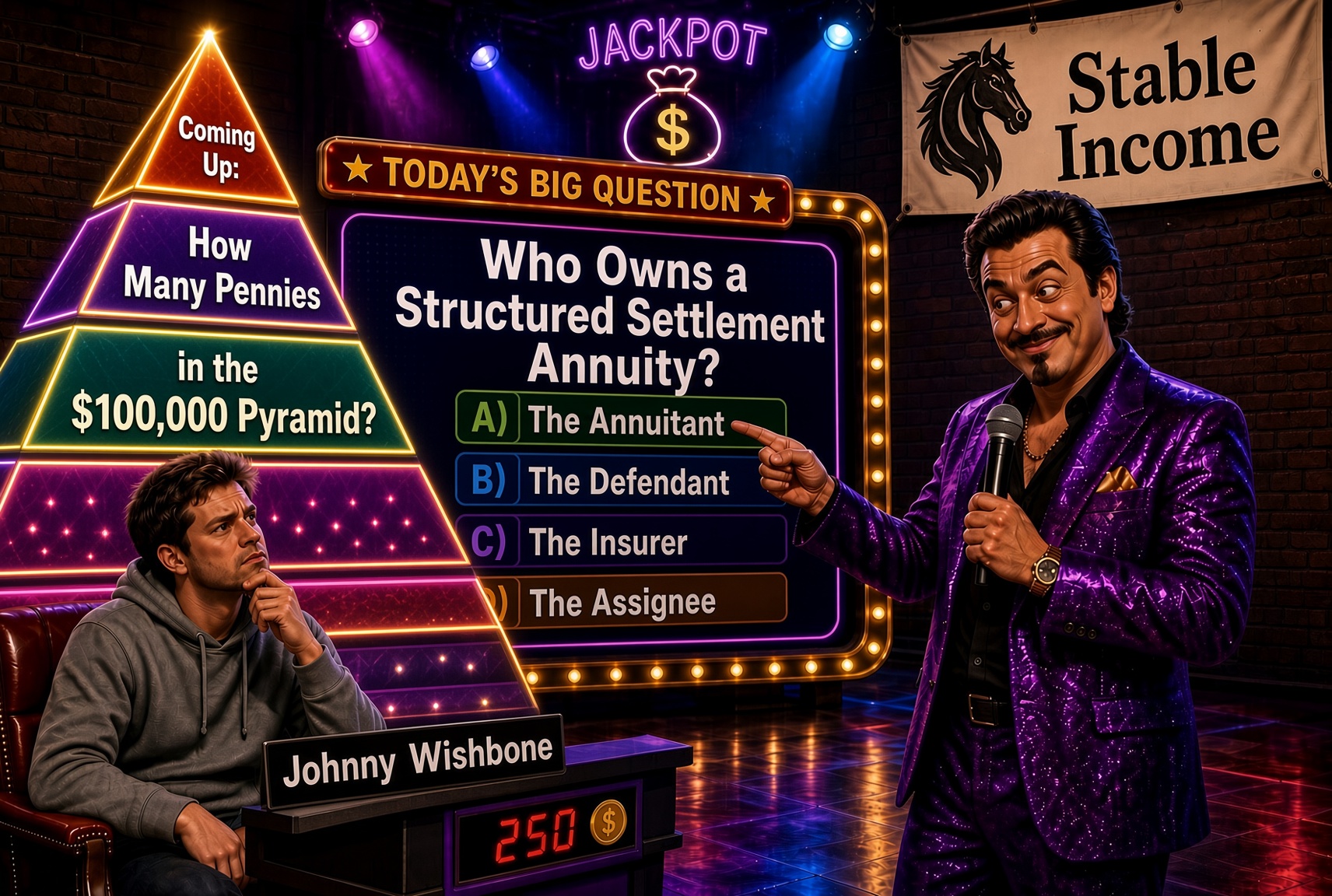
Who Owns a Structured Settlement Annuity? The Annuitant, The Defendant, The Insurer or the Assignee?
A structured settlement annuity is typically owned by a qualified assignment company if the annuity is being purchased as a “qualified funding asset” to pay damages as consideration for the settlement of physical injury, physical sickness, workers’ compensation, or wrongful death survivor claims.
-

When a structured settlement includes lifetime or life contingent payments, or the structured settlement payee is a minor, the structured settlement annuity issuer requires proof of birth. Some people lie about their age on insrance applications. Sad but true.
-
Structured settlement agreement language which says “Defendant or its Insurer will arrange for the purchase of an annuity” is a potentially fatal mistake. But why is it a fatal mistake?
-

A rated age helps quantify the cost of funding a structured Medicare Set Aside Arrangement (MSA) at the maximum discount and a more cost efficient funding of the future pain and suffering and future medical elements of damages in a New York structured judgement