Structured Settlements 4Real®Blog 2026
Structured settlements expert John Darer reviews the latest structured settlements and settlement planning information and news, and provides expert opinion and highly regarded commentary. that is spicy, Informative, irreverent and effective for over 20 years.
recent posts
- Structured Settlement Annuity Guarantees Help Financial Peace of Mind
- How Sheron Jones Was Exploited — And Why D.C.’s Failure to Mandate IPA in SSPA Enabled It
- Attorney Fee Structured Settlement Factoring
- One Year Later: The Structured Settlement–to–Bitcoin Anniversary Nobody Is Celebrating
- SettlementDecisions Episode 4: Purports to be a Directory-Delivers Spam Instead
about
Category: Fear of Missing Out (FOMO)
Fear of Missing Out (FOMO) refers to the feeling or perception that other people are making money with an investmentm having fun, experiencing new things or living a better life than you. Impulsively acting on FOMO or its counter, FORO (Fear of Running Out), with investments and lead to poor outcomes
-
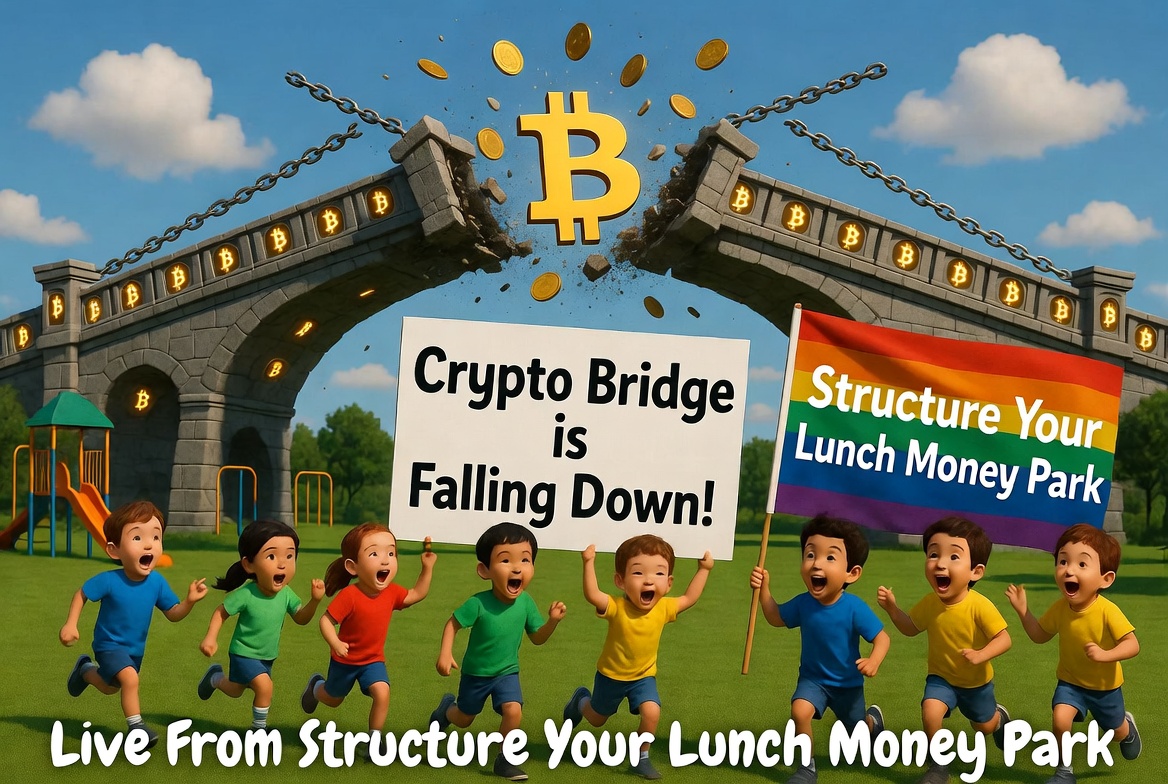
In the aftermath of a FOMO-driven investment frenzy in August 2025, individuals who sold structured settlements for cryptocurrency based on the “Bridge to Crypto” strategy faced significant losses by June 2026. Major assets like Bitcoin, IBIT ETF, and MicroStrategy saw declines, highlighting the risks involved in prioritizing volatile investments over guaranteed structured settlement income.
-

In August 2025, a Florida company issued a misleading press release promoting a “bridge to Bitcoin,” targeting structured-settlement recipients. Despite appealing language, it lacked essential financial regulations and misrepresented the transaction. By early 2026, market volatility caused significant losses, particularly for vulnerable investors, raising concerns over the pitch’s risks and ethics.
-

Now is the time to make good use of stuctured settlements and build enduring guaranteeed income streams.Compelling yields in Excess of 5% are possible on intermediate and long term cash flows. Why take risk when you don’t have to?